Home › Commercial Brick Veneer Systems
We install commercial brick veneer systems in Cedar Rapids, IA for new construction and renovation projects. Our team coordinates with designers and general contractors to deliver durable brick cladding with proper anchors, air spaces, and flashing details for long term performance.
Superior Masonry Cedar Rapids provides professional commercial brick veneer throughout Cedar Rapids, IA, and the surrounding area. Our licensed, insured crew delivers safe, clean, on-time work with a free estimate before anything begins. Call (319) 382-7517 or request your free quote.
Commercial Brick Veneer Systems for Cedar Rapids Properties
Commercial brick veneer is a smart way to get the look and durability of brick on your building without the weight and cost of full-thickness masonry. At Superior Masonry Cedar Rapids, we help local business owners, developers, and facility managers design and build veneer systems that stand up to Iowa winters, summer heat, and everyday wear.
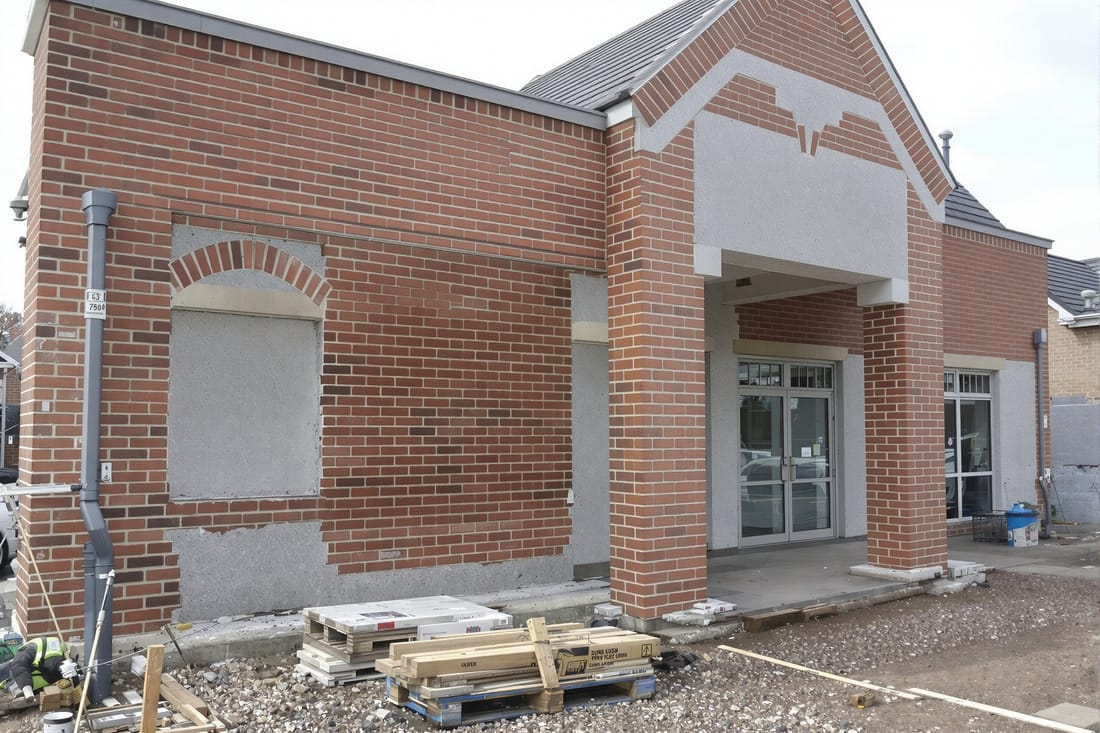
A commercial brick veneer system is typically a non‑structural brick layer that ties back to a structural wall, such as steel studs with sheathing or a concrete back‑up wall. The veneer provides the exterior finish and weather protection, while the building frame carries the load. When it is designed and installed correctly, you get a long-lasting façade, better energy performance, and fewer maintenance headaches.
In Cedar Rapids, you see brick veneer on office buildings, retail centers, medical clinics, schools, and warehouses that need a professional look for clients or tenants. Superior Masonry Cedar Rapids focuses on making the veneer not just attractive, but practical for snow, wind, and freeze‑thaw cycles that are common in Eastern Iowa.
How We Design and Build Commercial Brick Veneer Systems
Our process starts with a site visit and plan review. We look at your drawings, existing structure, or concept sketches, then walk the site to see exposure to wind, sun, and drainage patterns. For renovations, we inspect the existing wall for movement, cracks, and moisture staining because these issues affect how we attach a new veneer and what type of air and moisture barrier we recommend.
Once we understand the conditions, we work with you and your architect or engineer to select the back‑up wall configuration. Typical options in Cedar Rapids include metal stud and sheathing with a fluid‑applied air barrier, CMU block back‑up with rigid insulation, and cast‑in‑place concrete with a combination of rigid and cavity insulation. Each option has different costs and installation speeds. Metal stud walls are faster for interior build‑outs, while CMU or concrete is tougher in loading dock areas.
Next, we plan the cavity, flashing, and weep system. A brick veneer wall usually has a 1 to 2 inch air cavity between the brick and the back‑up wall. We install through‑wall flashing at the base, above windows and doors, and at roof intersections so that any water that enters the cavity is directed out through weeps. For Cedar Rapids, where snow can sit against walls and heavy rain can drive moisture into joints, properly detailed flashing is critical to prevent mold and interior staining.
During installation, our masons lay the brick veneer in lifts, tying it back to the structure with corrosion‑resistant anchors and ties that are spaced and embedded according to the engineer’s specifications. On commercial projects, this often means adjustable anchors to account for minor variations in the back‑up wall. We check plumb, line, and coursing constantly, since a small error at the base will multiply over three or four stories.
Brick, Mortar, and Aesthetic Options for Your Commercial Veneer
Superior Masonry Cedar Rapids sources brick and accessories from manufacturers that perform well in our freeze‑thaw climate. We typically recommend severe weather grade (SW) brick units for commercial brick veneer so they can handle repeated cycles of freezing and thawing without spalling. You can choose from modular, utility, and Norman sizes, which affect the horizontality or verticality of the façade and how quickly the wall can be installed.
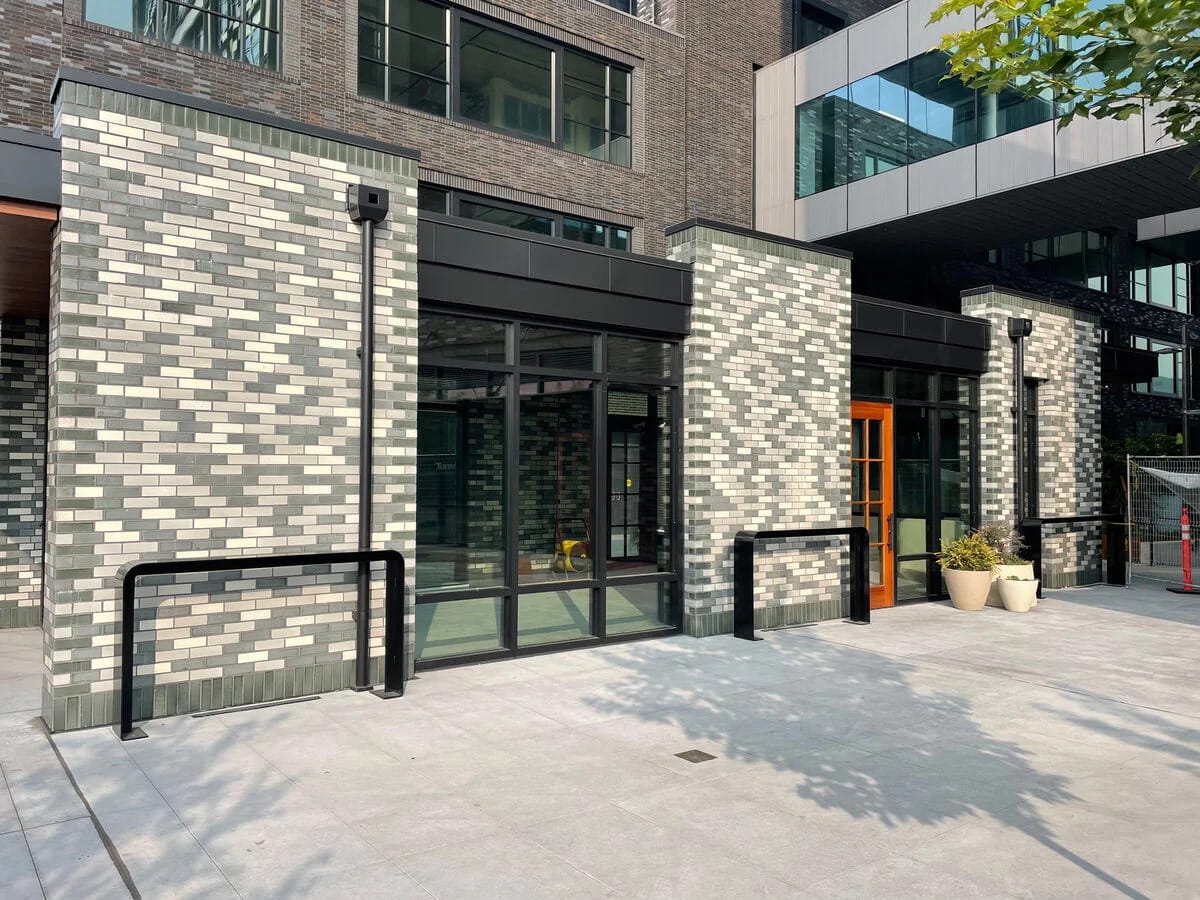
Color and texture also play a big role in how your building is perceived. For professional offices, we often install wire‑cut or smooth brick in earth tones that match existing Cedar Rapids construction. For retail centers or breweries, clients sometimes prefer tumbled or simulated reclaimed brick with more variation and character. We can blend multiple colors or add accent bands and soldier courses at window heads to break up large wall surfaces.
Mortar selection is more than just picking a color. The mortar type must work with the structural design and brick absorption rate. On typical commercial veneer projects we use Type N or S mortar, chosen based on engineer requirements and exposure conditions. We adjust the joint profile, such as tooled concave or V‑joint, to maximize water shedding. In high splash zones like near sidewalks and parking lots, a dense tooled joint helps keep water out of the veneer.
We also integrate details like precast sills, stone accent panels, and metal coping so the veneer ties neatly into other façade materials. Our team coordinates with your other trades, such as window installers and roofers, to make sure terminations, sealant joints, and flashing transitions are properly sequenced rather than patched after the fact.
Cost Drivers, Scheduling, and Cedar Rapids Weather Considerations
The cost of a commercial brick veneer system depends on more than just square footage. The complexity of the façade (number of corners, window openings, and elevation changes), height of the building, staging requirements, and type of back‑up wall all affect pricing. Highly articulated façades with deep returns and multiple brick colors will cost more per square foot than flat warehouse walls with a single brick type.
Material choices have a direct impact as well. Face brick cost varies based on manufacturer, color blend, and texture. Specialty shapes, such as bullnose units or custom corners, add material and labor time. The air and moisture barrier system, insulation type, and anchor system also factor into the final number. At Superior Masonry Cedar Rapids, we walk you through line items so you can see where costs can be adjusted without compromising performance, for example selecting a more economical brick within the same color family.
Cedar Rapids weather needs to be considered in the schedule. Brick veneer installation slows down in extreme cold, particularly below about 40 degrees Fahrenheit, because mortar must be protected and sometimes heated to cure correctly. For winter work, we may need to tent and heat specific elevations or adjust working hours, which can affect labor costs. In spring and early summer, heavy rain events are common, so we coordinate with general contractors to make sure the back‑up wall, air barrier, and flashing are in place and protected before large sections of veneer are started.
We also plan expansion and control joints based on expected temperature swings and building movement. In Eastern Iowa, seasonal temperature changes can be significant, and improperly spaced or sealed movement joints can lead to cracks or bulging in the veneer over time. Our installers follow project engineering requirements and local best practices on joint spacing, sealant choice, and backer rod installation.
Common Problems We Solve and What to Ask Before You Hire
Many of our commercial brick veneer projects in Cedar Rapids involve fixing issues created by rushed or poorly coordinated installations. Common problems include missing or incorrectly lapped flashing, blocked weep holes, lack of proper air space, and ties that are loose, corroded, or not embedded correctly in the mortar joints. These problems often show up as interior moisture, efflorescence (white staining) on the brick, or even bowing areas of veneer.
When Superior Masonry Cedar Rapids is called in for remediation, we start with a visual survey and, if needed, small exploratory openings to see inside the cavity. Repairs might involve cutting in new flashing at strategic locations, adding weeps, repointing joints, or selectively rebuilding sections of wall with new anchors and properly detailed air space. For owners, the key is catching these issues early before they affect structural components or interior finishes.
If you are choosing a contractor for a new commercial brick veneer system, there are a few questions worth asking. How will you coordinate flashing and air barrier installation with other trades. What type of anchors and tie spacing will you use, and how is that determined. How do you protect work in progress during rain or freezing conditions. Can you provide local references for similar building types, such as offices, churches, or retail centers in Cedar Rapids.
Superior Masonry Cedar Rapids is always ready to walk through these questions with you in plain language. We want building owners and contractors to understand what they are buying and why certain details matter for the long‑term health of the building. Whether you are planning a new commercial development on the edge of town or modernizing a historic structure near downtown, we can help you design and build a commercial brick veneer system that looks sharp, performs well, and respects your budget.