Home › Outdoor Living Masonry
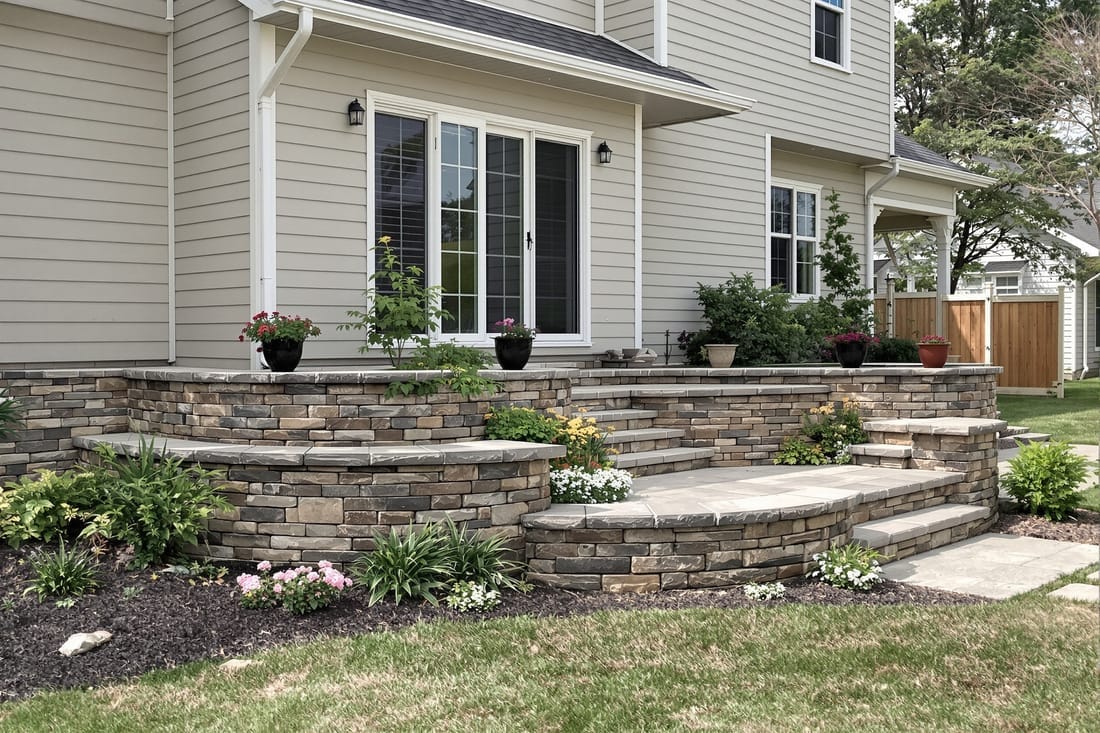
We create outdoor masonry features in Cedar Rapids, IA that turn plain yards into inviting living spaces. From paver and stone patios to seat walls, steps, and outdoor kitchens, we design and build durable hardscapes that fit your home and lifestyle.
Superior Masonry Cedar Rapids provides professional outdoor masonry features throughout Cedar Rapids, IA, and the surrounding area. Our licensed, insured crew delivers safe, clean, on-time work with a free estimate before anything begins. Call (319) 382-7517 or request your free quote.
Outdoor masonry features built for how Cedar Rapids really lives outside
Outdoor living spaces in Cedar Rapids have to deal with hot sun, hard freezes, and everything in between, so the way your outdoor masonry features are designed and built matters just as much as how they look. At Superior Masonry Cedar Rapids, we start every project with a walk-through of your yard, not a stock catalog. We look at how water moves across the property, where you get shade in the evening, how close gas and electric lines are, and how you plan to use the space on a normal weeknight, not just for the occasional party.
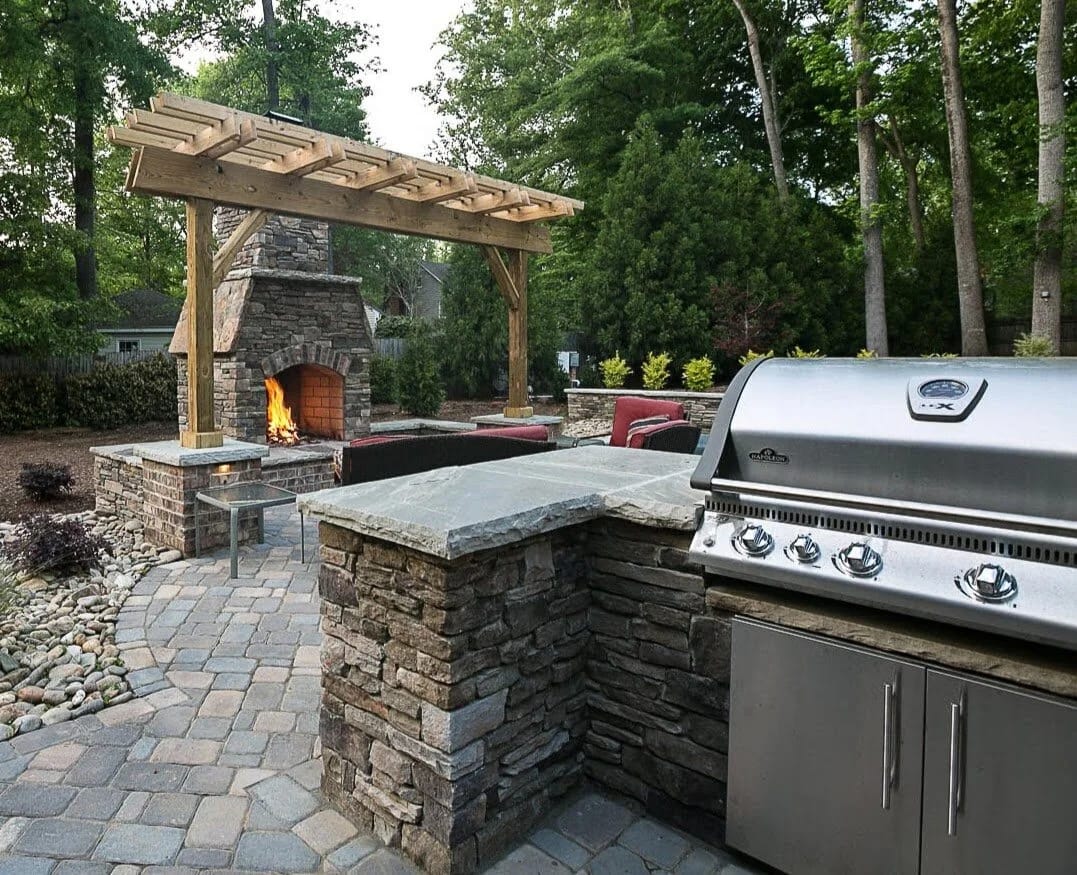
From there, we talk through specific masonry options: raised patios with built-in seating, wood-burning or gas outdoor fireplaces, pizza ovens, grill islands, sitting walls, retaining walls that double as planters, and stone walkways that connect it all. For each feature, we explain the pros and cons of materials like limestone, locally available fieldstone, concrete pavers, brick, and poured or stamped concrete. In Cedar Rapids, a lot of homeowners lean toward pavers and stone because they can be repaired in sections if frost ever heaves a portion of the patio, which can be more practical than one large concrete slab.
Our crew does not rush the planning stage. We sketch layout options that respect your property setbacks and utilities, and we check drainage so you do not end up with water running toward your house foundation or pooling on a patio. Every outdoor masonry project gets a written scope that spells out base depth, materials, and exactly where each feature will sit, so you are never guessing what you are getting.
How we actually build long-lasting patios, kitchens, and fire features
Outdoor masonry features only perform as well as what is under them. In the Cedar Rapids climate, the sub-base matters more than the visible stone. Superior Masonry Cedar Rapids typically excavates 8 to 12 inches for patios and walkways, sometimes more for driveways or large retaining walls, depending on soil conditions. We remove topsoil and any organic material, then compact the subgrade with a plate compactor.
Next, we bring in graded crushed limestone or road stone as base. This is installed in layers, usually 3 inches at a time, and compacted between each lift. For paver patios, we often add a 1 inch layer of concrete sand or a similar screed layer on top of the compacted base to help us set the pavers to a tight, level surface. In wetter or low-lying yards, we add geotextile fabric under the base so the stone does not sink into soft soil over the years.
For vertical features like outdoor fireplaces, kitchen islands, and seat walls, we usually start with a poured concrete footing that extends below the frost line, which in Cedar Rapids is typically around 42 inches. This footing is reinforced with rebar to resist movement. On top of that, we build with either structural block that is later faced with stone or brick, or with full-depth brick or stone if the design calls for it. We tie the veneer to the structure with metal ties so it stays solid through freeze thaw cycles.
Mortar mix, joint style, and flashing are adjusted based on the feature. For example, exposed outdoor kitchens get water-resistant details and drip edges to keep moisture out of cabinet areas. Fire pits and fireplaces use fire brick and high-temperature mortar in the firebox area, with standard masonry materials on the outside where heat is lower. Throughout construction, we pitch surfaces slightly away from structures, usually about 1/8 inch per foot, to keep water from standing on patios or running toward the house.
Design options, material choices, and what drives cost
Most Cedar Rapids homeowners start with a budget range, so Superior Masonry Cedar Rapids is upfront about what actually moves the numbers. Size is the biggest factor. A 200 square foot basic paver patio with a simple fire pit is a very different project than a 600 square foot multi-level space with a full masonry kitchen and fireplace. Site access also matters. If we can get our skid loader close, excavation and base work is quicker and more affordable than if we have to move everything by wheelbarrow through a small side gate.
Material choice is the next big driver. Standard concrete pavers and block are usually the most cost effective, while natural stone, large format slabs, and high-end brick push prices up. Many Cedar Rapids projects use a mix: pavers for the main patio, natural stone for steps, and a stone veneer on the fireplace or kitchen to get a custom look without using expensive stone everywhere.
Features add cost but also increase the usefulness of the space. A simple gas fire pit is usually less expensive and more convenient to use than a large wood-burning fireplace, but the fireplace becomes a focal point and can block wind, which matters on open lots outside town. Outdoor kitchens range from a basic built-in grill with some counter space to full setups with storage, refrigerators, and pizza ovens. We help you match the feature list to how you actually cook and entertain.
Finishing touches also affect the budget. Low-voltage lighting built into steps and walls, caps and coping stones in contrasting colors, and integrated planters all add labor and materials. During planning, we show you real cost differences between options instead of pushing one look. That way you can decide whether thicker patio borders, upgraded caps, or additional seating walls are worth it for how often you will use the space.
Common outdoor masonry problems here and how we prevent them
Cedar Rapids weather is hard on outdoor masonry features, so a big part of our job at Superior Masonry Cedar Rapids is avoiding known issues before they happen. One common problem is settling or heaving of patios. This usually comes from a shallow or poorly compacted base, especially around the edges. We counter this with properly compacted stone, edge restraints that hold pavers in place, and, when needed, deeper base in areas with clay or fill soils.
Another issue we see is failing or spalling brick and stone on older outdoor fireplaces and walls. Often these were built with the wrong type of brick or with mortar joints that hold water instead of shedding it. When we rebuild or repair, we select masonry units that are rated for exterior use and design joints so water runs off. We also pay attention to caps on walls and columns, since they protect the vertical work below. Properly sloped and overhanging caps keep a lot of moisture out of the masonry.
Drainage is a repeated problem around outdoor living spaces. Patios built level to the grass without thought for water can leave you with standing puddles or water seepage into basement walls. Our layouts always include a drainage plan, whether that is a simple surface pitch, a French drain at the patio edge, or a channel drain where the patio meets the house. On sloped yards, retaining walls are engineered to handle the soil load and to include weep holes or drainage pipe behind the wall so water does not build up and push the wall forward.
We also talk realistically about maintenance. Paver patios often benefit from polymeric sand in the joints, which helps lock the pavers and reduce weed growth. This sand may need to be refreshed every few years, especially in high-traffic areas. Certain stones and pavers can be sealed to resist staining from grills and outdoor dining, while some natural stones are better left unsealed so they can breathe. We explain what your specific materials will need so you know what owning those features actually looks like over time.
What to know before you hire an outdoor living masonry contractor
Before you commit to any company for outdoor masonry features, there are a few things that matter more than a glossy design picture. First, ask for details on how they build the base and footings. If a contractor in Cedar Rapids cannot tell you base depth, compaction steps, or how deep they pour footings for walls and fireplaces, you are taking a risk with long-term performance.
Second, check that they are familiar with local codes and utility requirements. Gas lines for fire pits and outdoor kitchens, electrical for lighting and outlets, and clearances from property lines can all affect where and how features are built. Superior Masonry Cedar Rapids coordinates with utility locates and, when needed, licensed plumbers or electricians, so you are not left trying to find trades on your own in the middle of a project.
Third, look for clear, written proposals. We line item materials, base prep, drainage work, and each outdoor feature so you can see what you are paying for. That makes it easier to adjust the plan to fit your budget, like swapping a full outdoor kitchen for a simpler grill island while keeping the patio size you want.
Finally, insist on a walk-through after completion and basic instruction on how to care for your new space. We review how to operate gas fire features, what to avoid putting near hot areas, where water should run off, and which joints or surfaces you should keep an eye on. If you are ready to explore a new patio, fireplace, or complete outdoor living layout, we can meet on-site in Cedar Rapids, review your ideas, and give you a practical plan that turns them into solid masonry instead of sketches.